diff --git a/README.md b/README.md
index a46b120..9358f88 100644
--- a/README.md
+++ b/README.md
@@ -32,13 +32,12 @@
- Transmitter frequency deviation: 10 kHz
- Receiver channel filter bandwith: 20.8 kHz
-
+ ### LoRa
-With LoRa, reception and response were stable with an RSSI of -116 dBm and +17 dBm Tx power
-at 18 km distance line of sight, with the following configuration (and as well just simple
-wire antennas):
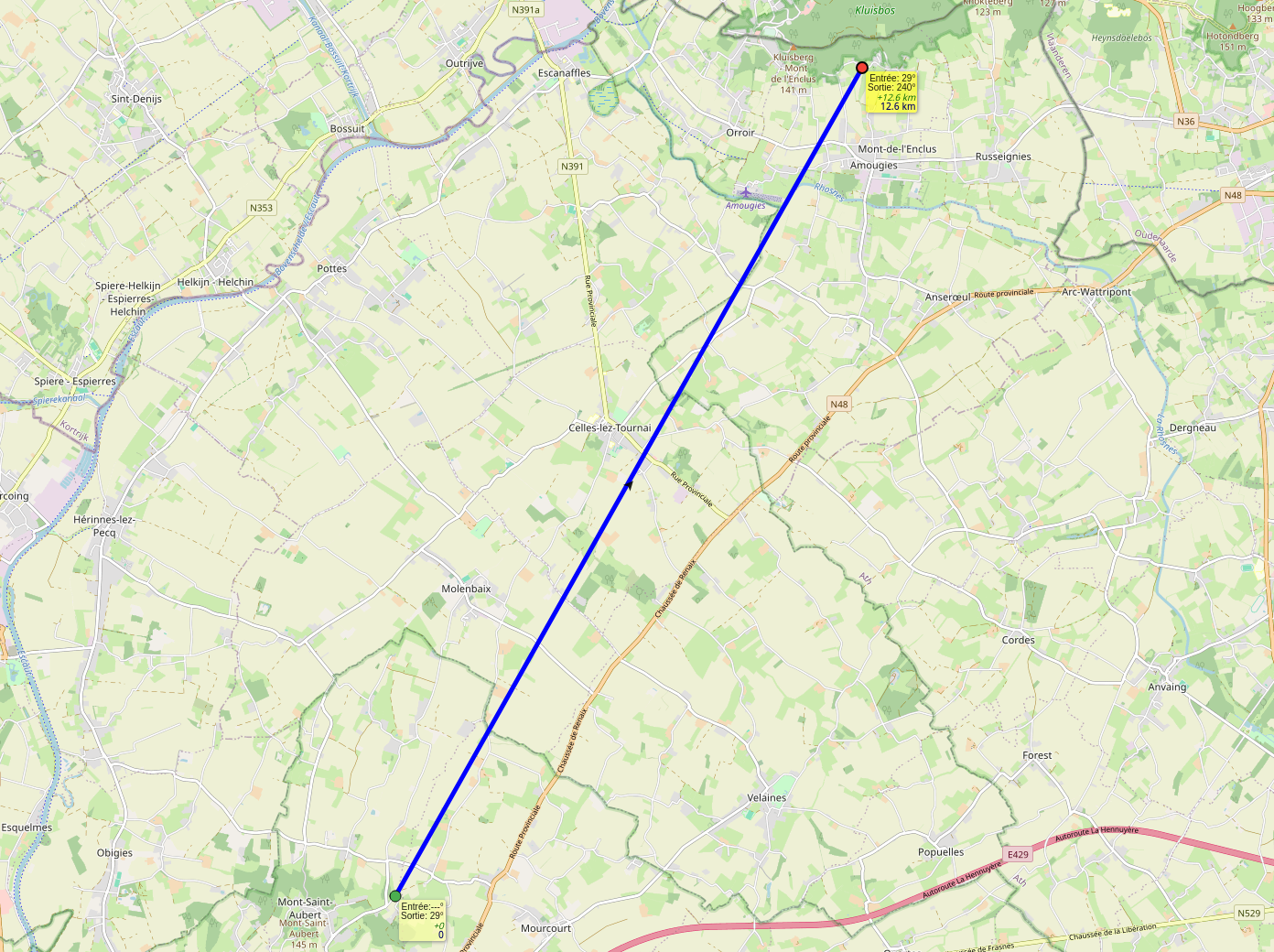
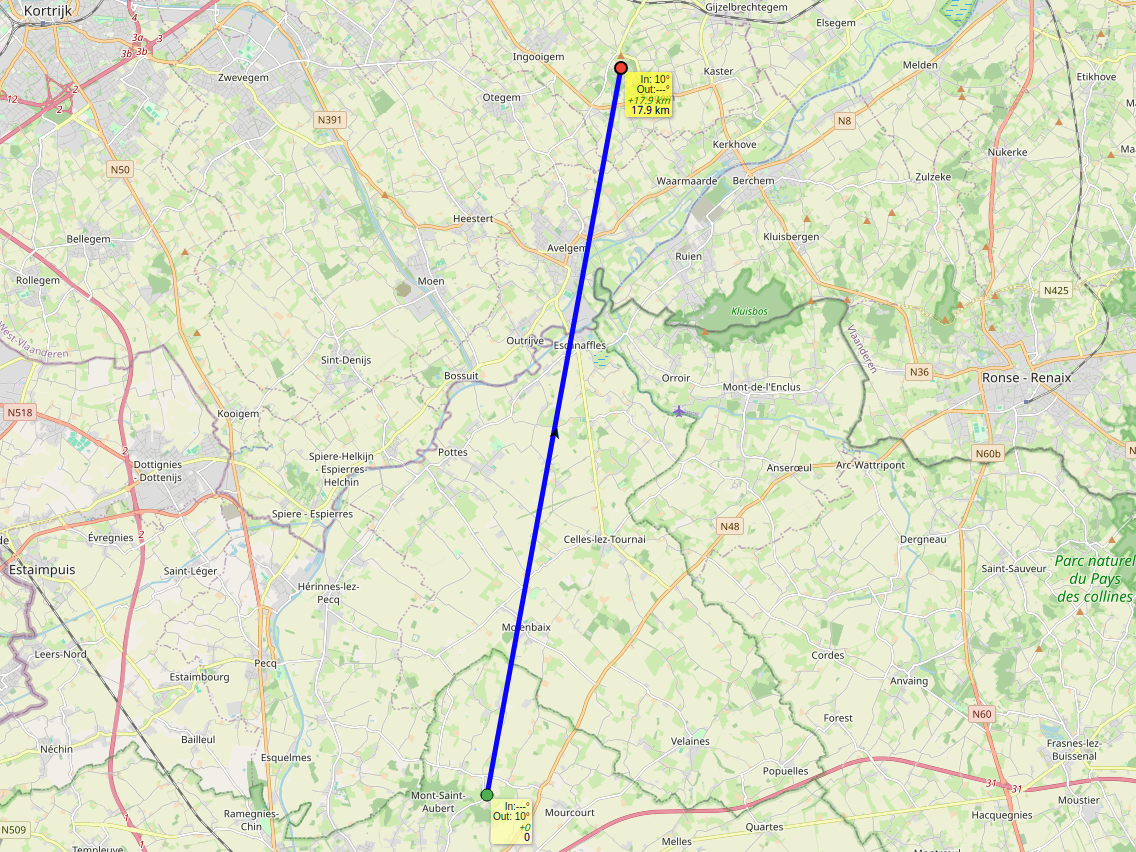
+With LoRa, reception and response were stable with an RSSI of -116 dBm and +17 dBm Tx power at 18 km
+distance line of sight, with the following configuration (and as well just simple wire antennas):
- LNA highest gain, boost on, 150% LNA current
- Signal bandwidth: 41.7 kHz
@@ -46,17 +45,16 @@
- Error correction code rate: 4/5
- Low Data Rate Optimization
-
+
### LoRa
-With LoRa, reception and response were stable with an RSSI of -116 dBm and +17 dBm Tx power
-at 18 km distance line of sight, with the following configuration (and as well just simple
-wire antennas):
+With LoRa, reception and response were stable with an RSSI of -116 dBm and +17 dBm Tx power at 18 km
+distance line of sight, with the following configuration (and as well just simple wire antennas):
- LNA highest gain, boost on, 150% LNA current
- Signal bandwidth: 41.7 kHz
@@ -46,17 +45,16 @@
- Error correction code rate: 4/5
- Low Data Rate Optimization
-
+ -So, as expected, and without taking the RSSI too literally, range is increased
-with LoRa, and the link is much more robust when there are obstacles in the path,
-such as buildings and terrain.
+So, as expected, and without taking the RSSI too literally, range is increased with LoRa,
+and the link is much more robust when there are obstacles in the path, such as buildings and terrain.
-The latter seems to be the more advantageous improvement with LoRa, since the
-range with line of sight is already long with FSK.
+The latter seems to be the more advantageous improvement with LoRa, since the range with line of sight
+is already long with FSK.
Anyway, these radio modules work very well with both modulation schemes!
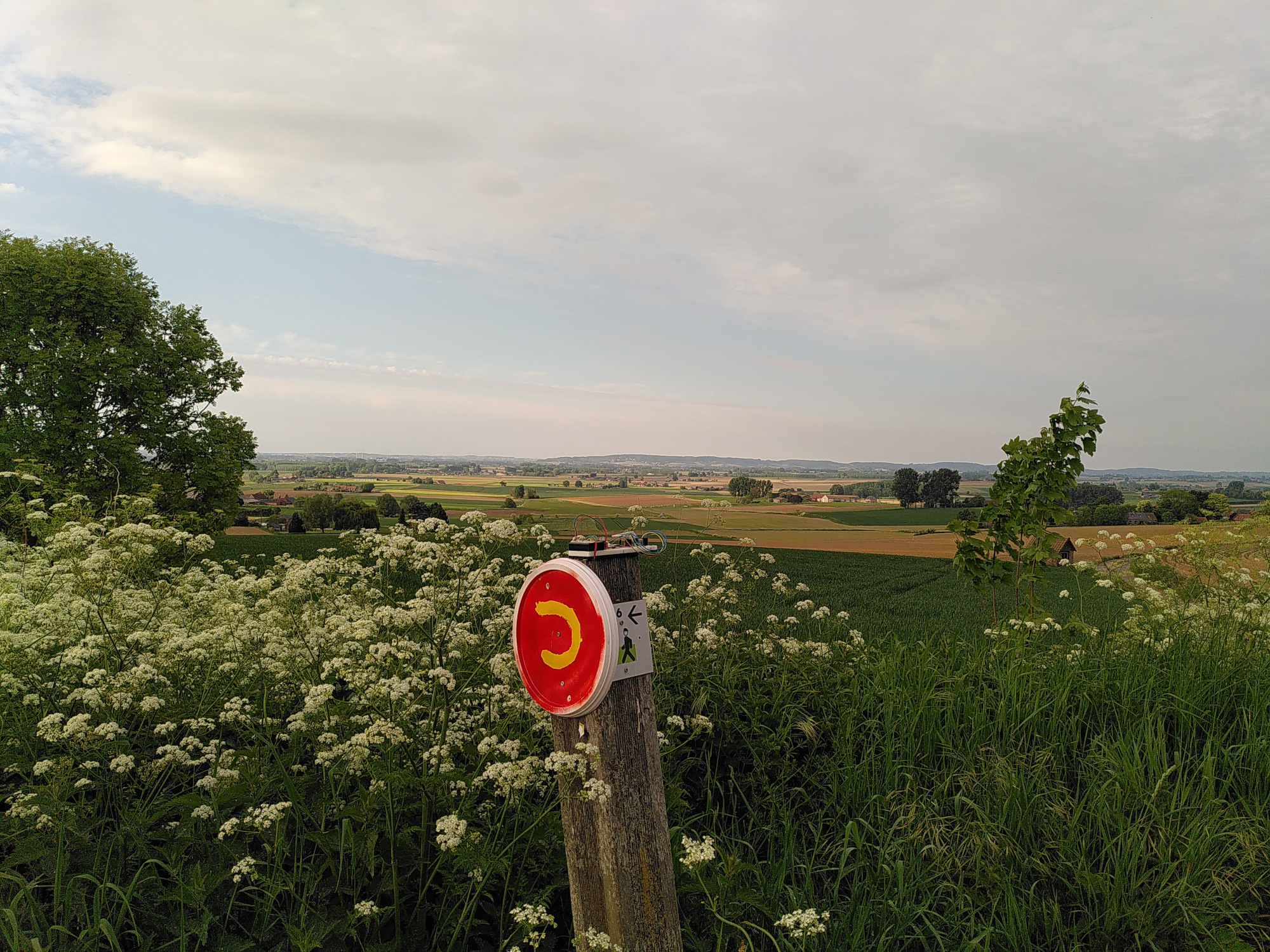
Here's the transmitter placed at Mont-Saint-Aubert, with a nice view to Mont de L'Enclus:
-
+
-So, as expected, and without taking the RSSI too literally, range is increased
-with LoRa, and the link is much more robust when there are obstacles in the path,
-such as buildings and terrain.
+So, as expected, and without taking the RSSI too literally, range is increased with LoRa,
+and the link is much more robust when there are obstacles in the path, such as buildings and terrain.
-The latter seems to be the more advantageous improvement with LoRa, since the
-range with line of sight is already long with FSK.
+The latter seems to be the more advantageous improvement with LoRa, since the range with line of sight
+is already long with FSK.
Anyway, these radio modules work very well with both modulation schemes!
Here's the transmitter placed at Mont-Saint-Aubert, with a nice view to Mont de L'Enclus:
-
+